

Industry Overview
Rail transit is evolving from a "centrally controlled" model toward a distributed intelligence framework characterized by "vehicle-to-vehicle collaboration." Through the application of artificial intelligence, big data, and IoT technologies, these systems can achieve dynamic scheduling with second-level response, proactive safety warnings, and energy efficiency optimization. This intelligent coordination requires breaking down information barriers between subsystems to enable full-network data fusion and unified decision-making, thereby achieving the dynamic optimal allocation of transportation resources. Simultaneously, the system must possess robust capabilities in environmental perception, intelligent computing, and independent decision-making to realize autonomous operation, collaborative control, and integrated safety protection.

Industry Challenges And TIMAR's Response
Challenge 1:Variable Environments
To ensure the reliable operation and safety of rail transit systems, storage devices must be capable of adapting to various environmental conditions.
TIMAR Solution
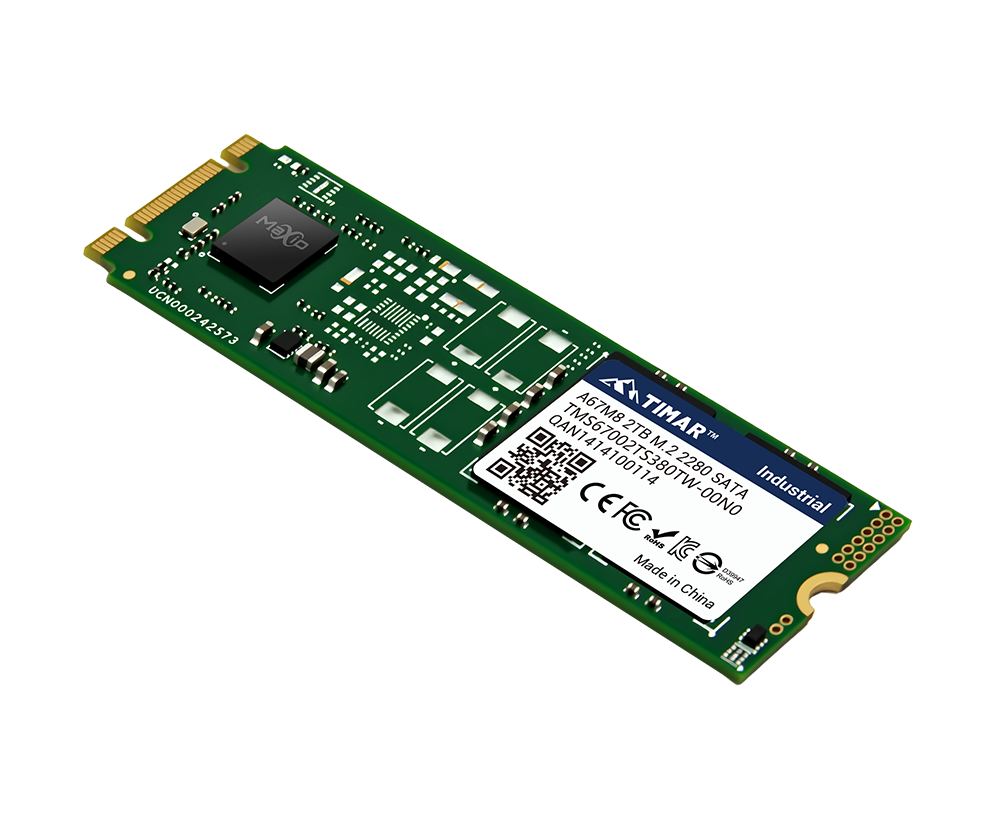
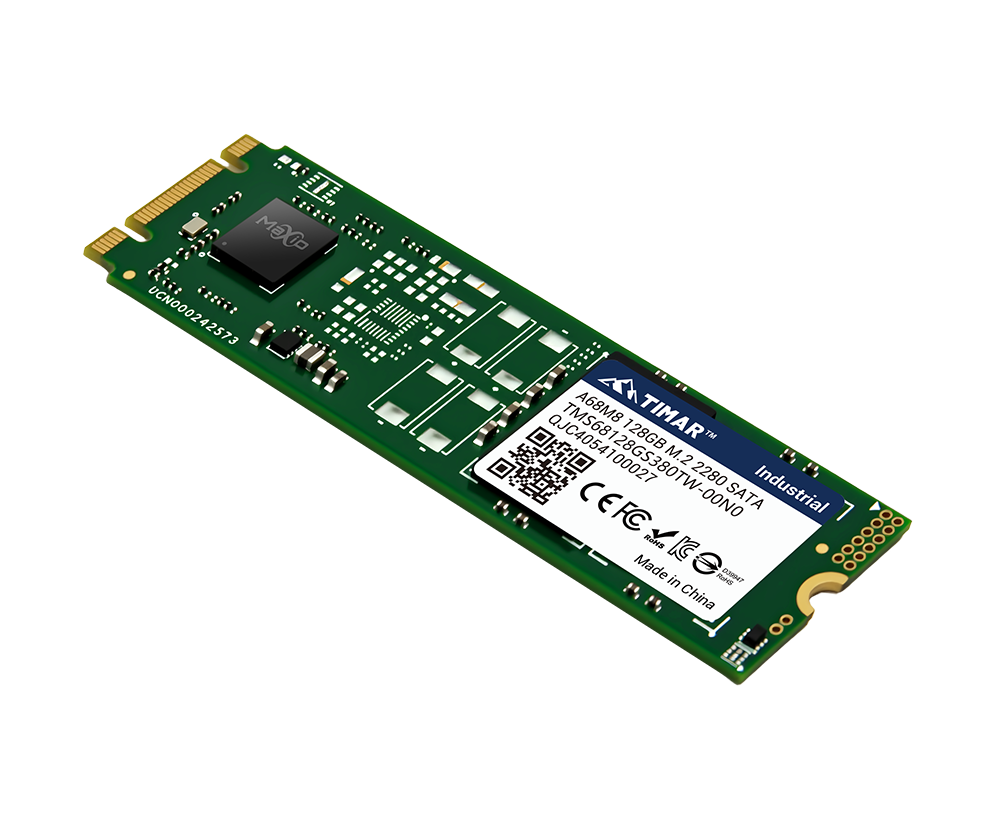
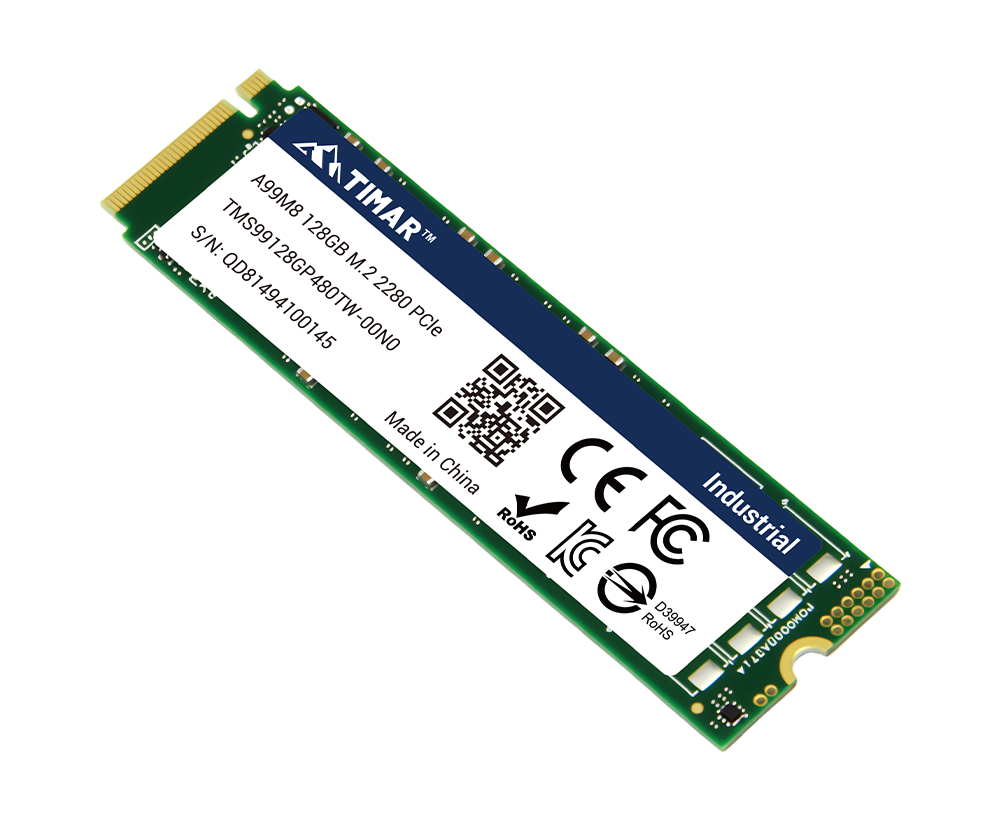
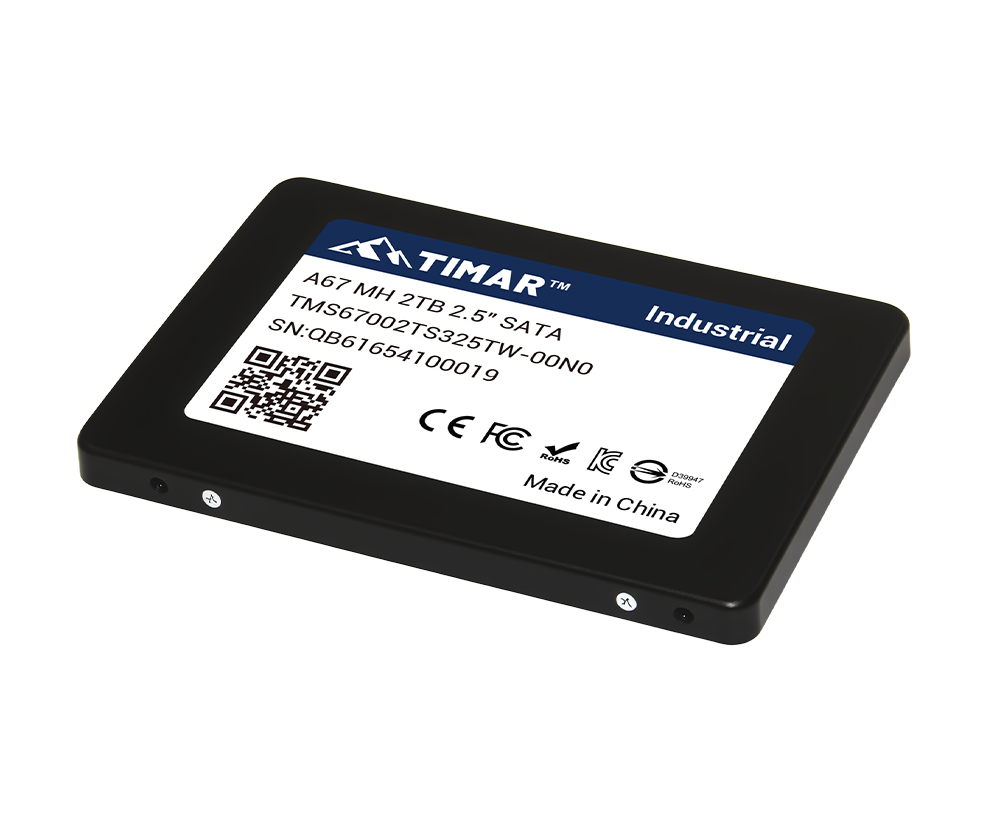
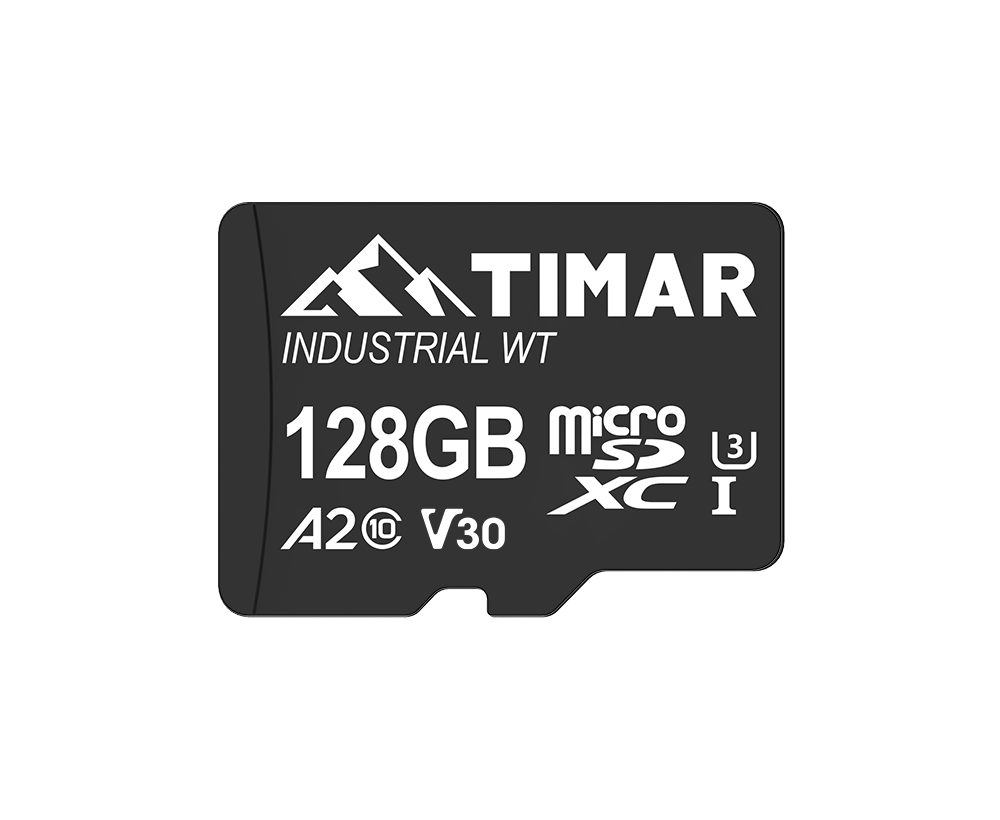
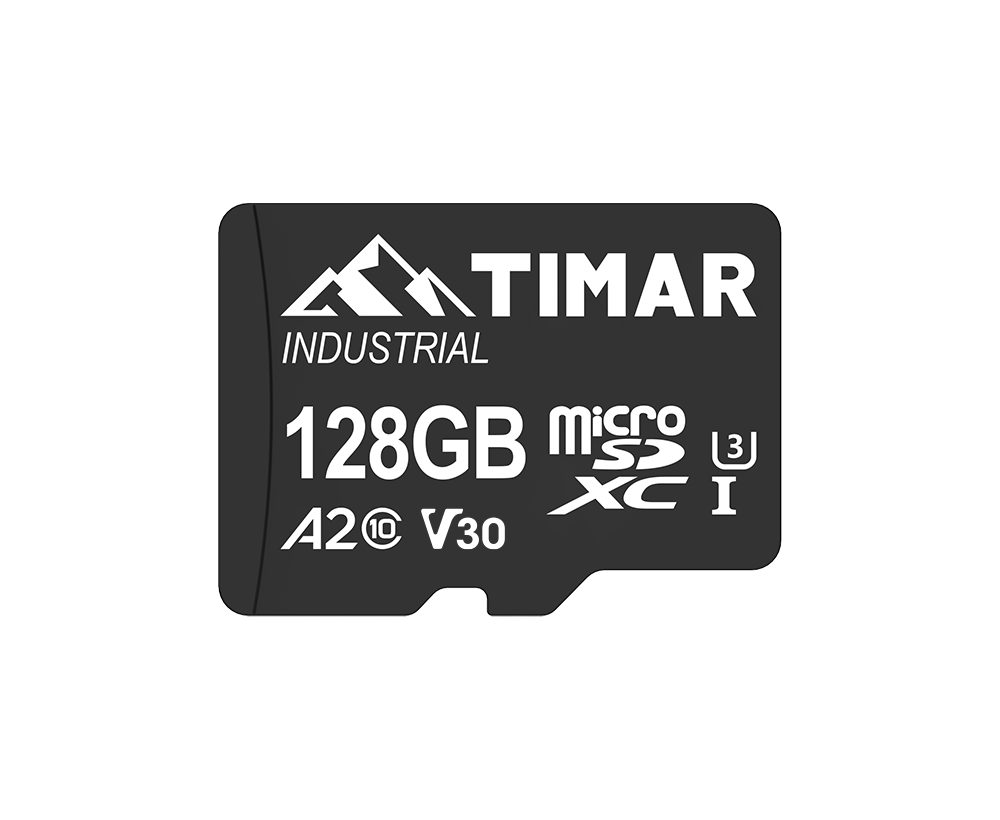
The storage products launched by Shanghai Timar undergo a stringent process from component selection (supporting a wide-temperature range) and firmware design to testing The firmware supports pSLC technology, In-drive RAID, adaptive error correction algorithms, SMART health monitoring, the storage products equipping with an advanced LDPC error correction engine, safegurad the stable operation of systems within transportation equipment.
 Dispensing
 Anti-Sulfurated
 LDPC
LDPC
 In-drive RAID
 Vibration resistance
 pSLC
pSLC
Challenge 2:Vibration and Impact
To withstand the vibrations and shocks encountered during rail transit operation, devices require reinforced protection.
TIMAR Solution
The storage products launched by Shanghai Timar achieve exceptional reliability under high temperature, high pressure, high G-forces, and high fatigue cycles. This is accomplished through spot gluing around critical components and by reserving a gap to act as a buffer for thermal expansion and contraction.
Dispensing
Anti-Sulfurated
LDPC
In-drive RAID
Vibration resistance
pSLC
Challenge 3:Long-Term Availability and Consistency
The extended lifecycle of rail transit systems necessitates that their storage devices feature long supply cycles and consistent quality across production batches.
TIMAR Solution
The storage products launched by Shanghai Timar utilize original 3D NAND Flash, support high Program/Erase (P/E) cycle endurance, and incorporate advanced wear-leveling algorithms to accommodate sustained data writing. They also support dynamic caching and data distribution, delivering low latency and high performance. Equipped with dynamic monitoring and bad block management, they effectively safeguard data security and ensure the stable operation of rail transit systems.
Dispensing
Anti-Sulfurated
LDPC
 Thermal Throttling
Vibration resistance
pSLC
Thermal Throttling
Vibration resistance
pSLC