



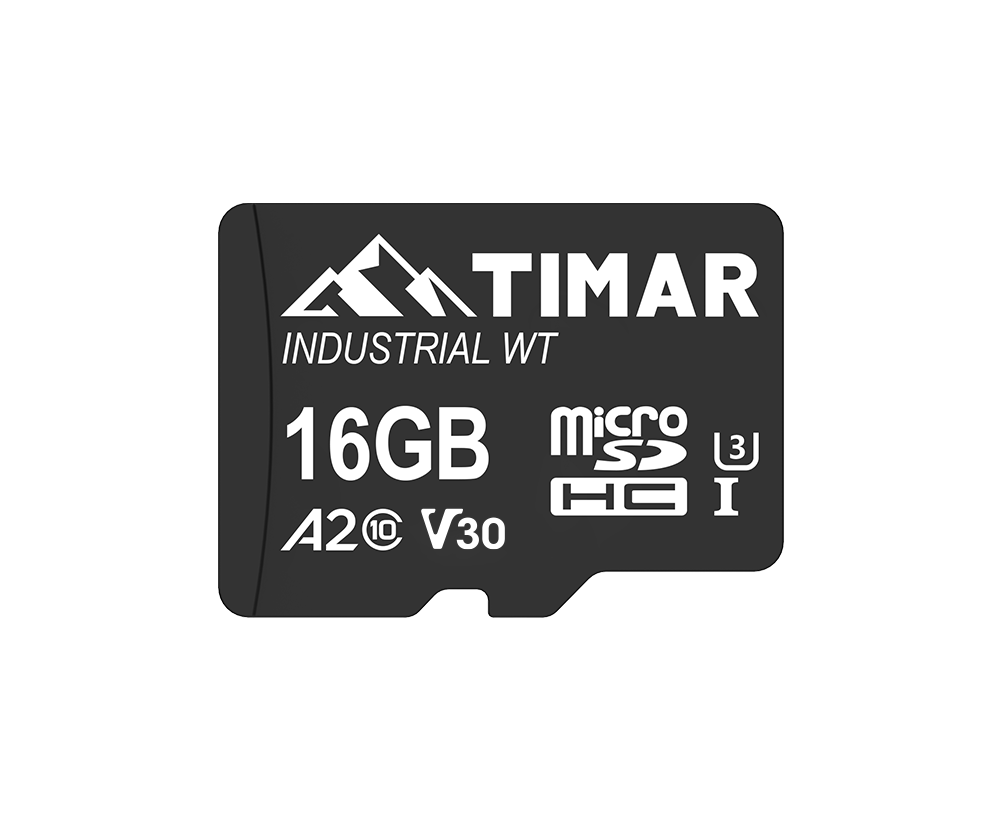
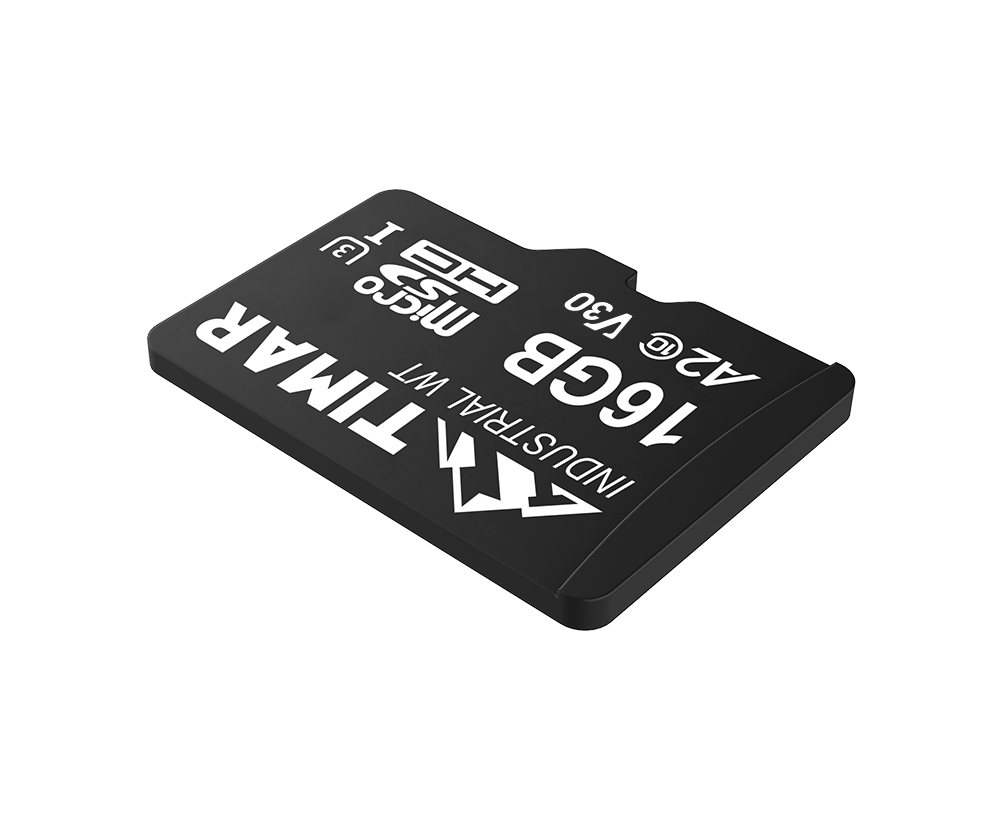
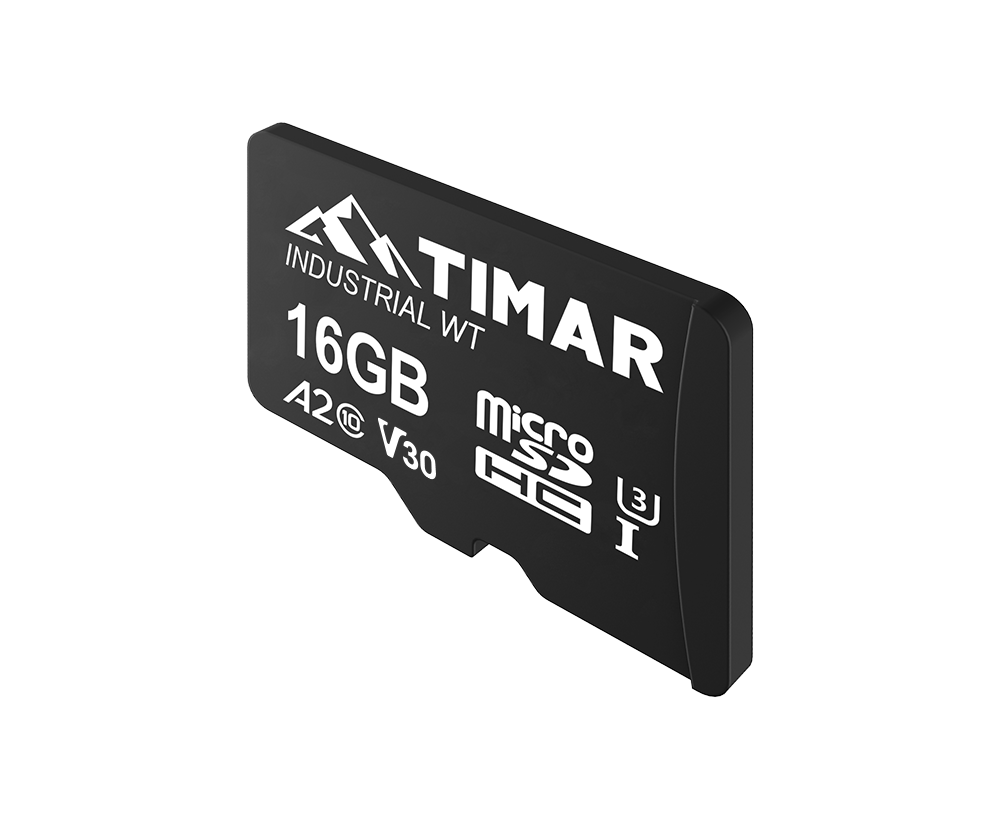
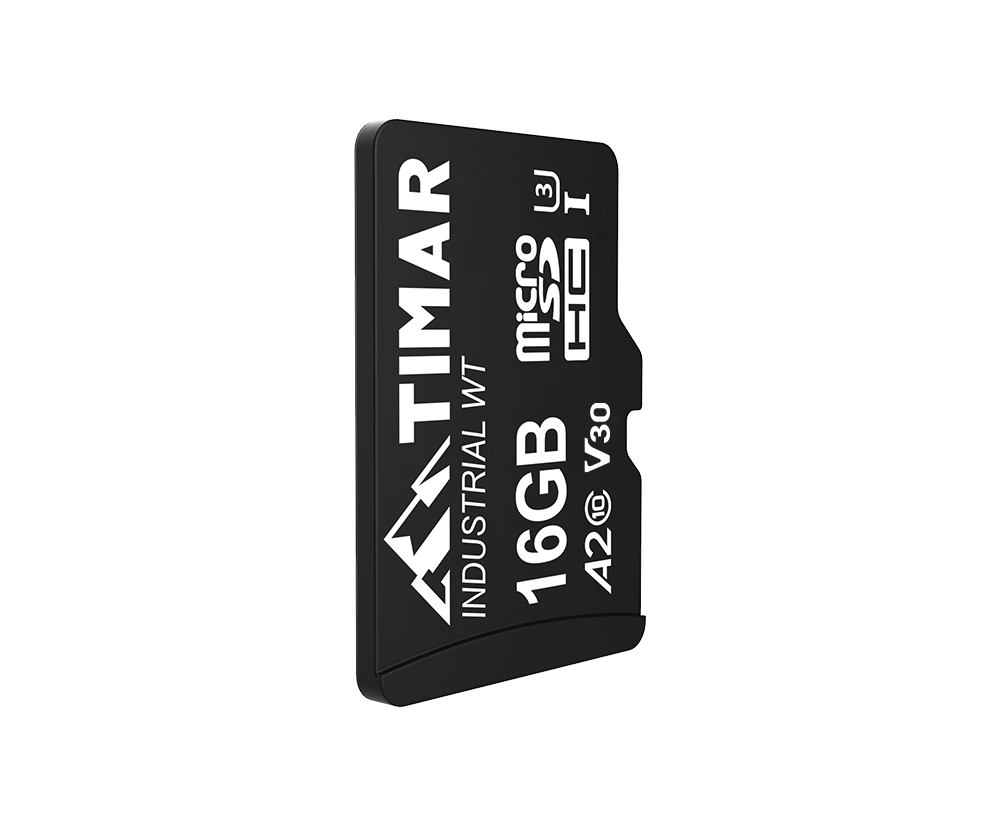
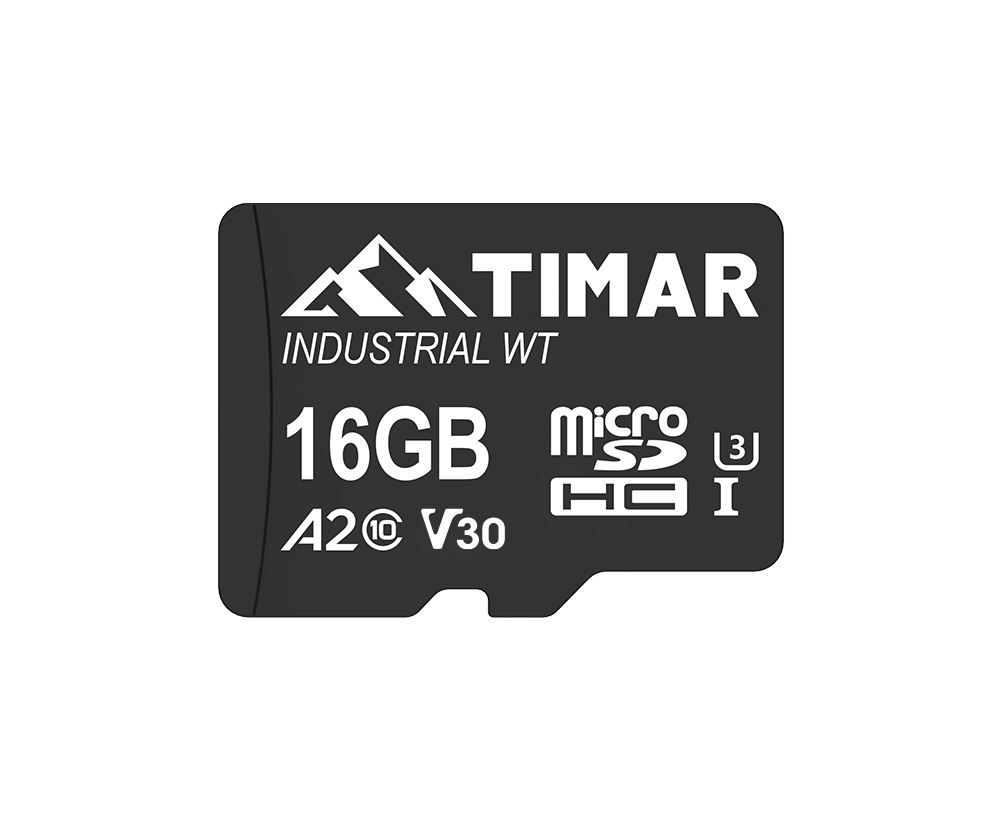
TIMAR TFWV30 microSDHC UHS-I
High endurance and high reliability, ensuring stable operation in harsh environments. Supports 24/7 uninterrupted video recording and multi-channel surveillance video recording. Intelligent GC algorithm optimization ensures stability during prolonged data recording. Rigorous production processes comprehensively enhance product quality and reliability.
Features
1. Engineered for high endurance and high reliability, tailored for industrial-grade application markets.
2. Utilizes proprietary GC (Garbage Collection) technology to minimize the performance impact of GC operations on SD/Micro SD cards, enhancing performance consistency and preventing frame drops or recording interruptions caused by failure to meet bitrate requirements.
3. Intelligent GC algorithm optimization mechanism ensures sustained performance during prolonged random read/write operations.
Technology Application
Wide Temperature
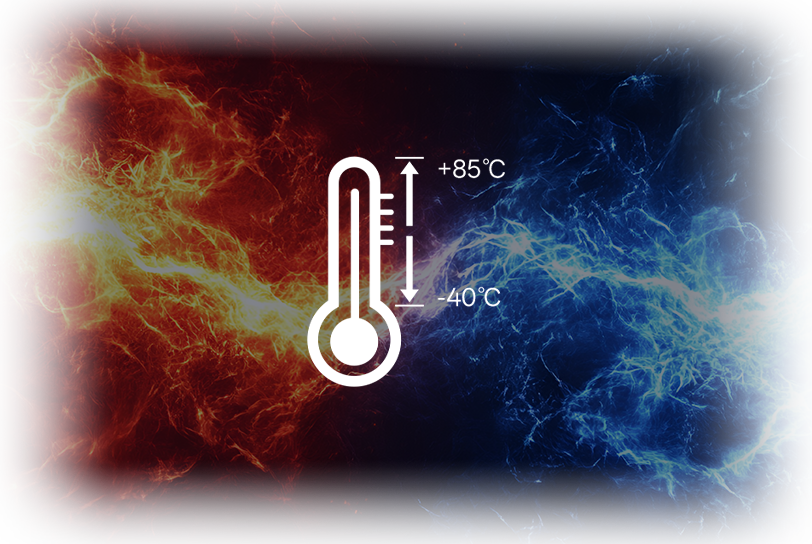
A range of product options with different operating temperature ranges are available, allowing the storage devices to operate stably within temperatures of -25℃ to 85℃ / -40℃ to 85℃.
pSLC
pSLC technology is a technique that emulates MLC or multi-level cell flash memory as SLC (single-level cell). Through this technology, TLC/MLC flash memory can achieve a lifespan, reliability, and performance close to that of SLC flash memory.

pSLC Partition
Supports creating a logical partition for storing important data. Users can specify a special LBA range via protocol commands, and data subsequently written to this LBA range will always be stored in SLC mode, ensuring high reliability.
Gold finger plating process
Thickened gold connectors are used to enhance wear and corrosion resistance, ensuring stable contact.

SPI mode compatibility
As the basic communication mode for legacy systems and low-end MCUs, it is crucial for the compatibility of embedded systems.

S.M.A.R.T.
The provided self-monitoring function can report key indicators such as total write data amount, remaining lifespan, and number of bad blocks in real time, helping engineers take measures before the device actually fails.

TRIM Function
Erase/TRIM is used to optimize the garbage collection (GC) process: by proactively informing the storage device which blocks are no longer needed, it helps the device handle invalid data in advance, thereby improving write performance, reducing write amplification (WAF), and extending service life.

Wear Leveling
Through static wear leveling (moving long-term static data away, releasing blocks occupied by cold data) and dynamic wear leveling (writing new data to blocks with fewer erase counts as much as possible), it ensures that all flash blocks are evenly used, effectively extending the overall lifespan.

Dynamic Bad Block Management
Bad Block Management: Bad blocks may appear in flash memory from the factory or during use. The firmware marks and avoids these bad blocks, ensuring data is safely written to healthy blocks. This is a fundamental function for ensuring long-term stable operation of the storage card.

Read Disturb Management
Read Disturb Management: Frequently reading a certain area of flash memory may affect data in adjacent areas. The controller automatically reads and "refreshes" this data, rewriting it to a safe location for protection and refresh, ensuring data correctness in read-intensive scenarios.
Product Specification
| PN | TMMSDF016GV30TW-S0N0 |
| Module Name | TIMAR TFWV30 16GB TF |
| Interface | UHS-I/SD 3.0 |
| Flash Type | pSLC(3D TLC) |
| Capacity | 16GB |
| Speed Grade | C10 U3 V30 A2 |
| Operation Temperature | -40~85℃ |
| Transfer Speed (MB/s) | Up to 100 |
| TYPE | microSDHC |
| P/E CYCLES | 30000 |
| Dimension (WxLxH/mm) | 11*15*1 |
| Power Loss Protection | YES |
| S.M.A.R.T. | YES |
| Storage Temperature | -40~85℃ |
Related Resources
Product Specification
TIMAR 16G microSD Datasheet
